











I’ve never believed that cinema is only entertainment.
Some films leave the theatre with you. They crawl under your skin, sit quietly in your thoughts, and make you carry people and histories that were never yours and yet somehow become yours.
That is what Main Vaapas Aaunga did to me.
I have always struggled to consume stories around the 1947 Partition. Not because they are difficult to understand, but because they are impossible to remain untouched by. You cannot witness displacement, separation, violence, and the breaking of ordinary lives without asking yourself: could humanity have chosen differently?
This film is not only about Partition.
It is about women and what they carry during conflict.
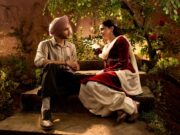
It is about love interrupted by politics.
It is about generations inheriting silences they never created.
It is about communities that once lived together and what happens when fear becomes stronger than familiarity.
And most importantly, it is about returning home.
Not always physically. Sometimes emotionally.
What moved me most was not grand speeches or dramatic moments. It was the quiet ache of unfinished conversations, of unrequited love, of people who never got closure because history made choices for them.
The performances stay with you.
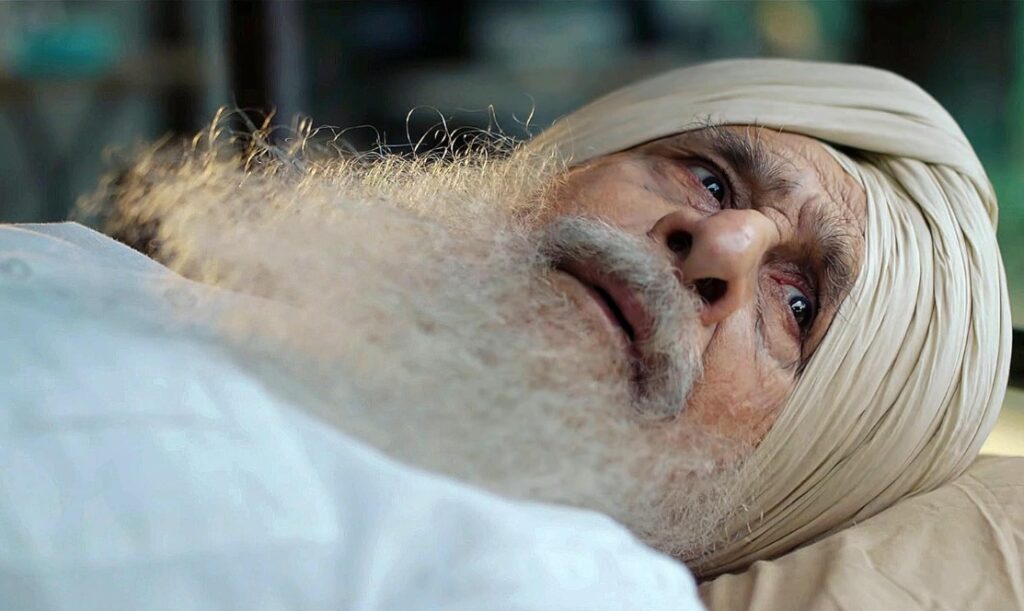
Naseeruddin Shah reminds us that extraordinary acting is not always loud. Sometimes it is a look, a silence, a body carrying decades of memory. Rajat Kapoor beautifully captures the distance that trauma can create between generations. Vedang Raina brings sincerity and innocence, and Sharvari adds emotional depth and grace to the narrative.
But beyond performances, what stayed with me was this:
This is one of the rare films that chooses humanity over hatred.
At a time when so much visual storytelling glorifies anger, revenge, and division in the name of strength or patriotism, this film quietly argues for something harder; love, coexistence, and compassion.
For me, patriotism has never meant hating another culture, religion, or people. It has meant protecting humanity while loving your own country.
Partition should not teach us how to hate.
It should teach us the cost of hatred.
And perhaps the greatest tribute to those who suffered is not carrying forward the bitterness they had every reason to keep alive.
If there is one film I would recommend this weekend, not for entertainment but for reflection, it would be this one.
May each one of us find our way back home.